Branding vs Brand Identity vs Logo: What D2C Founders Actually Need
Branding vs brand identity vs logo, explained for D2C founders. What each term means, how they fit together, and what to build first before you spend a rupee.
Studio Anvina
Author
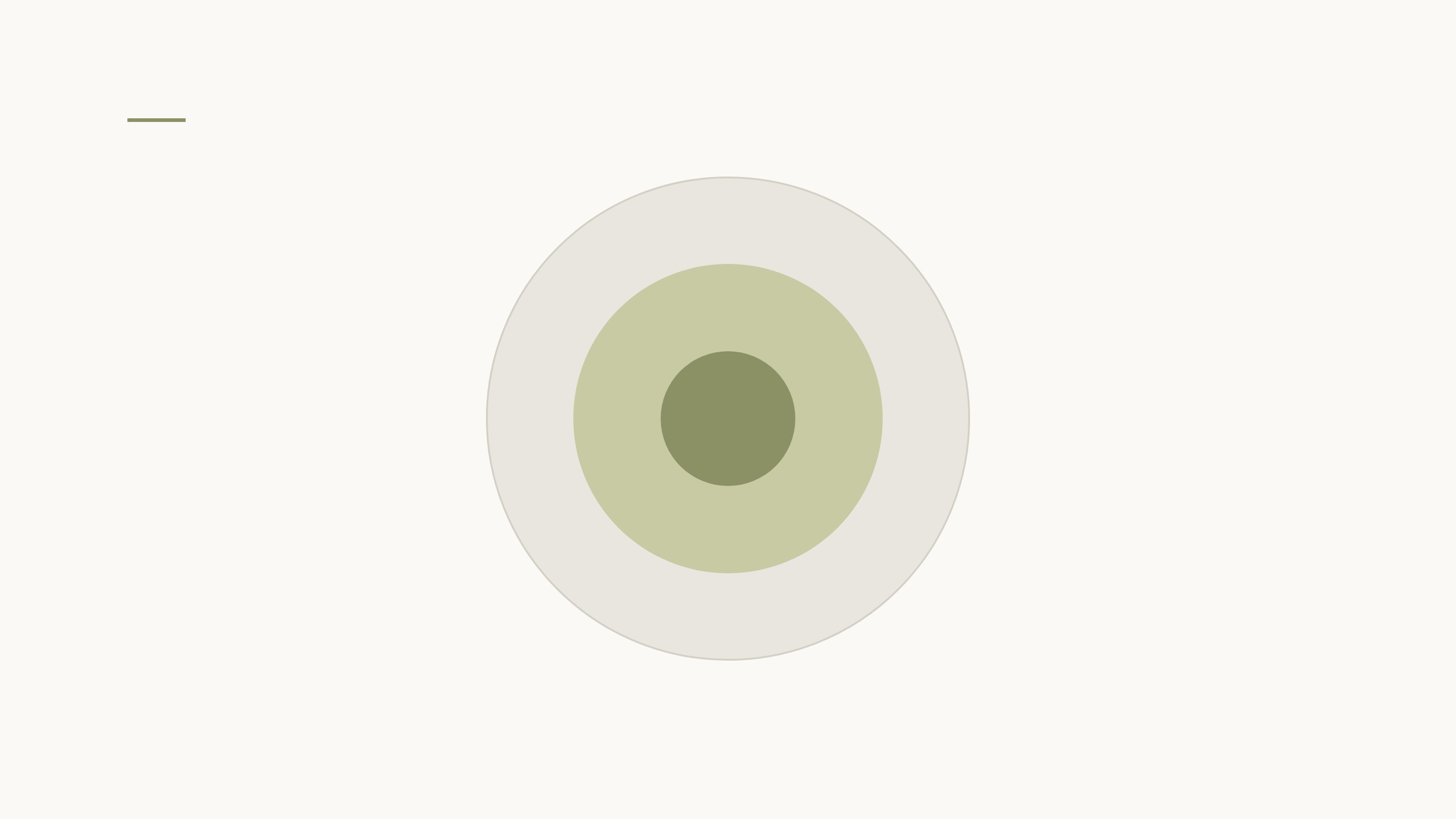
Most founders use these three words as if they mean the same thing. They do not. A logo is a small part of a brand identity. A brand identity is a small part of branding. And branding is the work you do to shape something you never fully control: the brand itself.
Get the words right and every spending decision after this gets easier. Get them wrong and you pay a designer for a logo, call it a brand, and wonder why sales did not move.
Let us clear it up, in plain language, with a running example you will recognise.
What is a brand?
A brand is the gut feeling a person has about your product when you are not in the room. It lives in the customer's head, not in your Figma file.
You do not own your brand. Your customer does. You can influence it, nudge it, spend crores on it, but the final version sits inside someone else's memory as a feeling. Trustworthy or sketchy. Premium or cheap. For me or not for me.
Take a small D2C skincare label we will call Sanaa. When a shopper thinks "Sanaa is the honest one, no fake promises, works for Indian skin," that sentence is the brand. Notice it has nothing to do with the font or the colour of the box. It is a reputation, compressed into a feeling.
A logo is not a brand. A logo is a full stop. The brand is the whole sentence people say about you when you are not in the room.
What is branding?
Branding is the deliberate work you do to shape that feeling in the customer's head. It is a verb, an ongoing effort, not a one-time asset.
If the brand is the feeling, branding is everything you do on purpose to steer that feeling in a direction you want. The name you pick. The promise you make. The way your packaging feels in the hand. The tone of your Instagram replies. Whether your delivery arrives on time. Whether your founder sounds like a human or a press release.
For Sanaa, branding is choosing to say "tested on 200 Indian women, not on some lab in another climate," and then repeating that idea across the label, the website, the ads, and the WhatsApp support replies until it sticks. Branding is the campaign. The brand is what people remember after the campaign.
Branding is not a project you finish. It is a habit you keep. Every touchpoint either adds to the feeling or chips away at it. This is also why branding is not just design. Design is one channel. Service, pricing, and consistency are channels too.
If you want to see how well your current branding is landing before you spend more, score your brand with The Shelf Test. It is a quick self-audit that shows you where the feeling is leaking.
What is brand identity?
Brand identity is the visible and symbolic system a business uses to represent itself: the logo, colours, typography, imagery, and tone of voice, all working as one recognisable set. It is the part of branding you can actually design and hand to a team.
This is the answer to "what is brand identity in marketing" that most articles overcomplicate. Identity is the toolkit. It is the collection of assets and rules that make you look and sound like you, again and again, so a stranger starts to recognise you by the third time they scroll past.
Brand identity splits into three parts, and we will go deeper on each later in this piece:
- Visual identity, the look. Logo, colour palette, typography, packaging, photography style, icons.
- Verbal identity, the voice. Your name, tagline, tone, the words you use and the words you refuse to use.
- Brand personality, the character. The human traits people would use to describe you if the brand walked into a room. Warm, blunt, playful, clinical.
For Sanaa, the brand identity is the soft clinical white packaging, the one accent colour that never changes, the calm no-drama tone that says "here is what this does, here is what it will not do," and a personality that reads like a straight-talking friend who happens to know chemistry. Put those together and a customer recognises Sanaa in half a second on a crowded shelf.
Here is the key relationship. Brand identity is a subset of branding. Branding is bigger than identity, because branding also includes price, product, service, and every non-visual decision. A beautiful identity on top of a broken product is lipstick on a problem.
What is a logo?
A logo is a single asset inside your brand identity: the mark or wordmark that acts as your signature. It is important, but it is one small piece, not the whole thing.
Think of the logo the way you think of a person's signature. It is a compact stamp of identity. It confirms "this is us." But nobody trusts a person because of their signature. They trust the person, and the signature just reminds them who they are dealing with.
This is the core of the difference between logo and branding. The logo is a mark. Branding is the meaning that mark points to. A logo on day one is nearly empty. It only fills up with meaning after months of consistent branding pour reputation into it. The Amul girl, the Tata oval, the Zomato red: those marks carry weight because of decades of behaviour behind them, not because the shapes are magic.
So when a founder says "I need a brand," and means "I need a logo," they are asking for the smallest possible slice and expecting the whole cake. A logo without an identity system around it is a signature with no personality behind it. Nice to have. Not enough to sell.
Brand identity vs brand image
Brand identity is what you intend and control; brand image is what the customer actually perceives. Identity is the message you send. Image is the message that lands.
This gap is where most branding money quietly dies. You design a premium identity. The customer receives a cheap image, because the courier crushed the box, or the website loads slowly, or a hundred reviews say the pump breaks. Your intended identity said "premium and reliable." The received image says "looks nice, breaks fast."
For Sanaa:
- Brand identity, the intent. "We are the honest, science-backed, calm skincare brand for Indian skin."
- Brand image, the reality. What a customer tells her sister after using it for a month. That sentence is your real score.
The job of branding is to shrink the distance between identity and image until they nearly touch. When what you intend and what people perceive are the same thing, you have a strong brand. When they drift apart, you have an expensive logo and a confused customer. If that gap has grown wide for you, that is often one of the signs it is time to rebrand.
The elements of a brand identity
The elements of brand identity are the concrete pieces you actually build: a visual identity, a verbal identity, and a brand personality that ties them together. Get all three right and they reinforce each other. Skip one and the whole thing feels off, even if people cannot say why.
Here is what each element covers, with Sanaa as the example.
- Visual identity, the system you see. This is the logo, the colour palette, the typography, the packaging design, the photography style, and the layout rules. For Sanaa, that is the clinical white, the single steady accent colour, the clean sans-serif type, and photos shot on real Indian skin in real light rather than glossy stock. Visual identity is what makes you recognisable at a glance, before a single word is read.
- Verbal identity, the system you hear. This is the name, the tagline, the tone of voice, and the vocabulary. Sanaa says "this reduces visible marks in eight weeks" and refuses to say "miracle," "instant," or "glow up." The refusal list matters as much as the word list. Verbal identity is what makes you sound like you across an ad, a label, and a support chat.
- Brand personality, the character underneath. This is the set of human traits that decide how the visual and verbal choices get made in the first place. Sanaa is honest, calm, and a little clinical, so the colours stay quiet and the words stay plain. Personality is the source code. Visual and verbal identity are the output.
Now, why is brand identity important? Because a consistent identity is how a stranger becomes a regular. The first time someone sees you, nothing happens. By the fifth consistent exposure, they recognise you. By the tenth, they trust the recognition. Inconsistency resets that counter to zero every single time. A different look on every post means every customer meets you as a stranger, forever.
If you want to see strong brand identity examples in the wild, look at the D2C brands whose Instagram grid, packaging, and website all feel like the same person made them. That sameness is not lazy. It is the entire point.
What a D2C founder actually needs, and in what order
What a D2C founder actually needs is clarity first, a full identity system second, and a logo somewhere in the middle of that work, never as the starting point. Most founders run this order backwards and pay for it.
Here is the order we use with the founders we work with.
- Get the strategy clear first. Who is this for, what do you promise, what feeling do you want in their head, and why should they believe you over the ten brands next to you on the shelf. This costs thinking, not money. Skip it and every design decision after becomes a guess.
- Build the full brand identity, not just a logo. Visual identity, verbal identity, and personality, written down as a small set of rules your team and freelancers can actually follow. The logo gets designed inside this step, as one output of it, not before it.
- Apply it consistently across every touchpoint. Packaging, website, ads, Instagram, the unboxing, the support tone. Consistency is where a plain identity turns into a real brand. This is the branding part, the ongoing verb.
- Protect the image, not just the identity. Fix the courier, the pump, the load time, the reply speed. The best identity in India cannot survive a product that keeps breaking the promise.
Notice the logo is not step one. It is a task inside step two. A founder who spends the whole first budget on a logo and nothing on strategy or system has bought a signature for a letter they never wrote.
Two honest questions people ask us at this point. First, what branding costs in India, because the range is wide and the price often has nothing to do with the value. Second, how to choose a branding agency that builds a system and not just a pretty logo you cannot use. And if you sell a physical product, remember that packaging design costs sit inside the visual identity step, not on top of it.
Start with clarity. Build the system. Apply it everywhere. The logo will fall out of that work, and it will finally mean something.
Frequently asked questions
Is a logo the same as a brand identity?
No. A logo is one asset inside a brand identity. The brand identity is the full system: logo, colours, typography, imagery, tone of voice, and personality, all working together. Buying only a logo is like buying a signature and expecting a full letter.
What is the difference between branding and brand identity?
Branding is the ongoing work you do to shape how people feel about you, including product, service, price, and consistency. Brand identity is the smaller, designable slice of that work: the visual and verbal system that makes you recognisable. Identity is a part of branding, not a synonym for it.
What is the difference between brand identity and brand image?
Brand identity is what you intend and control, the message you send. Brand image is what the customer actually perceives, the message that lands. Good branding shrinks the gap between the two until they nearly match.
What are the main elements of a brand identity?
Three. Visual identity, which is what people see, such as logo, colour, and typography. Verbal identity, which is what people hear, such as name, tagline, and tone. Brand personality, which is the character that decides how the visual and verbal choices get made.
Why is brand identity important for a D2C brand?
Because a consistent identity is how a stranger becomes a regular. Recognition builds trust, and recognition only happens through repetition of the same look and voice. Inconsistency resets that trust counter to zero every time someone meets you.
What should a founder build first, a logo or a brand?
Neither, at first. Build strategy clarity first, then a full identity system, and let the logo get designed as one part of that system. A logo made before you know who you are for and what you promise is a guess dressed up as an asset.